Common Basement Water Problems in Tillsonburg
Why it matters
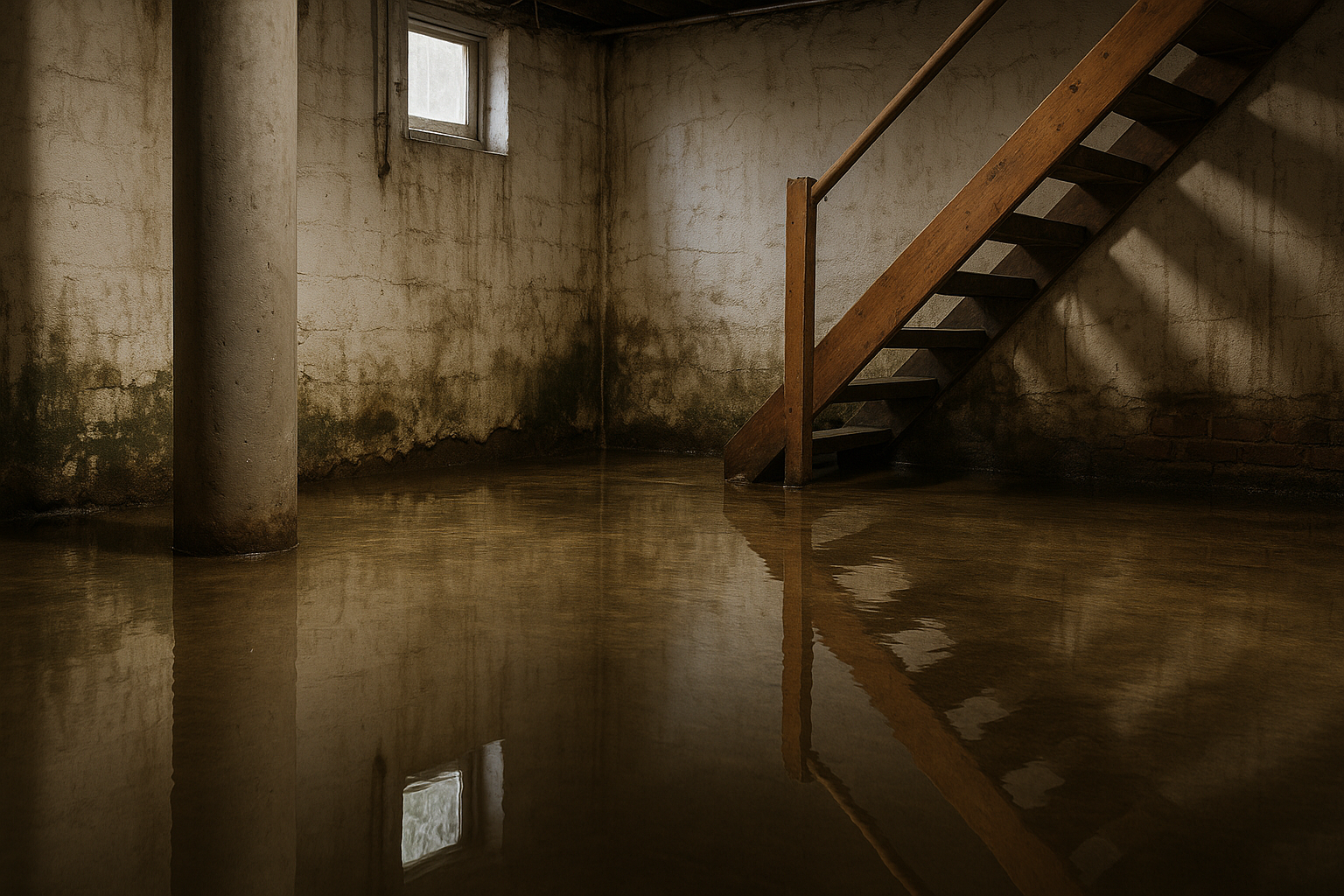
Basement water problems can lead to costly damage and unsafe living conditions. Understanding the causes and signs of moisture issues helps protect your home. In Tillsonburg, specific local factors influence how water affects basements.
Causes of basement flooding in Tillsonburg
Basement flooding often results from heavy rainfall, poor drainage, and foundation cracks. In Tillsonburg, the combination of aging infrastructure and seasonal storms increases the risk. Incorrectly graded landscaping can direct water toward the foundation, worsening the problem.
One common mistake is relying solely on interior sump pumps without addressing exterior water flow. This can lead to repeated flooding and structural damage. Proper basement waterproofing requires a balanced approach that manages water outside and inside the home.
Effects of local soil and weather on water intrusion
Tillsonburg’s clay-rich soil retains water, increasing hydrostatic pressure against basement walls. This pressure forces water through small cracks and porous materials. Freeze-thaw cycles during winter can expand these cracks, exacerbating leaks.
Heavy spring rains combined with snowmelt saturate the ground, overwhelming drainage systems. This seasonal pattern demands specific waterproofing strategies, such as installing perimeter drains and sealing foundation joints.
Understanding soil behaviour is crucial. Improper foundation design or neglecting soil drainage can result in persistent water intrusion. The Natural Resources Canada soil guide provides detailed insights into soil types and their impact on construction.
Identifying signs of basement moisture damage
Early detection of moisture problems prevents costly repairs. Common signs include musty odors, peeling paint, efflorescence on walls, and warped flooring. Visible water stains or damp spots often indicate ongoing leaks.
Ignoring these signs can lead to structural weakening and health hazards. Homeowners should regularly inspect basements, especially after heavy rain or snowmelt. Installing a humidity monitor can help track moisture levels over time.
Mold and mildew issues in Tillsonburg basements
Persistent moisture creates ideal conditions for mold and mildew growth. These fungi damage building materials and pose respiratory risks. In Tillsonburg, the cool, damp climate intensifies mold problems during fall and winter.
Common areas for mold include corners, behind drywall, and near plumbing fixtures. Effective mold control requires eliminating moisture sources and thorough cleaning. Professional mold remediation may be necessary for extensive infestations.
Health authorities like the Centers for Disease Control and Prevention offer guidelines on mold prevention and safe removal practices.
Seasonal water challenges specific to Tillsonburg
Tillsonburg faces unique water challenges due to its climate patterns. Spring thaw and heavy rains often cause basement flooding. Summer thunderstorms can overwhelm drainage systems, while winter freeze-thaw cycles damage foundations.
Proper seasonal maintenance is essential. Clearing gutters, inspecting sump pumps, and sealing cracks before winter reduces risks. Planning for these cycles helps homeowners avoid emergency repairs and structural damage.
Ignoring seasonal factors can lead to repeated water intrusion and escalating repair costs. A proactive approach tailored to local conditions is the most reliable defense against basement water problems.