Basement Waterproofing Techniques
Why basement waterproofing matters
Water intrusion in basements can cause structural damage and mold growth. Effective basement waterproofing protects your Tillsonburg home’s foundation and indoor air quality. Choosing the right techniques depends on your basement’s condition and local soil and water factors.
Interior waterproofing methods
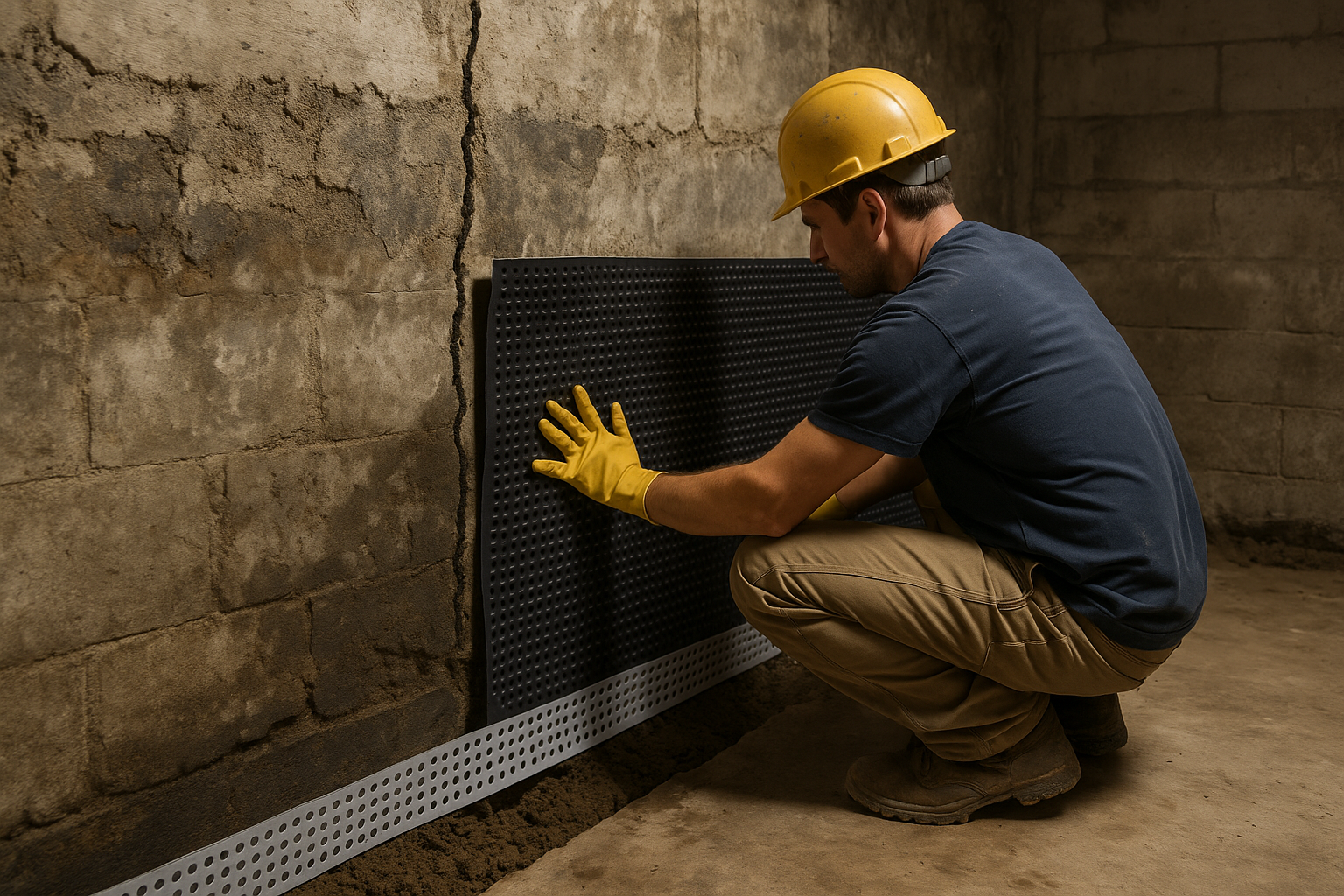
Interior waterproofing focuses on managing water that enters the basement. Common approaches include installing interior drainage channels and sump pumps. These systems collect and redirect water away from the foundation.
One challenge with interior methods is they do not stop water from penetrating the walls. Instead, they control water after it enters. This can lead to ongoing maintenance and potential mold if drainage fails.
Exterior waterproofing solutions
Exterior waterproofing prevents water from reaching the foundation walls. It usually involves excavating around the basement perimeter and applying waterproof membranes or coatings. Proper grading and soil compaction are also critical.
This method is more invasive and costly but offers long-term protection. A common issue is improper backfill or poor drainage, which can cause hydrostatic pressure and eventual leaks despite the membrane.
Drainage systems for basements
Drainage systems reduce water buildup around the foundation. They include perimeter drains and gravel beds that channel water to sump pumps or storm sewers. Proper installation must consider soil type and water table height.
Incorrect slope or clogged drains can cause water to pool, increasing pressure on basement walls. Regular inspection and cleaning are essential to maintain effectiveness.
Sealants and coatings for moisture prevention
Sealants and waterproof coatings create a barrier on basement walls and floors. They are often used alongside other waterproofing methods to reduce moisture penetration. Common products include epoxy, polyurethane, and cementitious coatings.
These materials can crack or peel over time, especially if applied on damp or dirty surfaces. Surface preparation and choosing the right product for your basement conditions are crucial to avoid failure.
French drain installation
A French drain is a trench filled with gravel and a perforated pipe that redirects water away from the foundation. It is effective in areas with high groundwater or poor surface drainage.
Installing a French drain requires careful planning to ensure proper slope and outlet location. If the outlet is blocked or uphill, the system will not function, leading to water accumulation near the basement.
Basement sump pump systems
Sump pumps remove water collected in a sump basin, typically installed at the lowest point of the basement. They activate automatically when water reaches a certain level, pumping it away from the home.
Failures often occur due to power outages or pump malfunctions. Backup power and regular maintenance are necessary to ensure continuous operation during heavy rains or floods.
Crack repair and foundation sealing
Cracks in basement walls and floors provide direct paths for water intrusion. Crack repair methods include epoxy injections and polyurethane foam to seal cracks and restore structural integrity.
Ignoring small cracks can lead to larger structural problems and increased water damage. Proper diagnosis of the crack cause is essential to choose the right repair technique and prevent recurrence.